Trekking-Pole Shelter or Freestanding Tent: Route-Specific Selection Criteria
Comparative summary
The question is simple: choose the shelter architecture that matches route constraints and physiological demands. This piece compares structural behavior, setup ergonomics, and field failure modes to guide selection between trekking-pole shelters and freestanding tents. For hikers prioritizing mass and low-volume packs, consider a hiking tent ultralight; field observations from multi-season trials on the Appalachian Trail with a tested small tent for hiking inform the performance notes that follow.
Parameters for comparison
Define objective criteria before choosing: mass-to-function ratio, structural redundancy, pitching complexity, wind and snow tolerance, internal ventilation (microclimate control), vestibule utility, and emergency repairability. Weight and pack-volume affect cardiovascular load on long approaches. Structural redundancy quantifies number of independent elements that prevent catastrophic collapse when one component fails. Pitching complexity correlates with cognitive load under fatigue; minimize steps when operating in hypothermia risk windows.
Trekking-pole shelters: technical profile
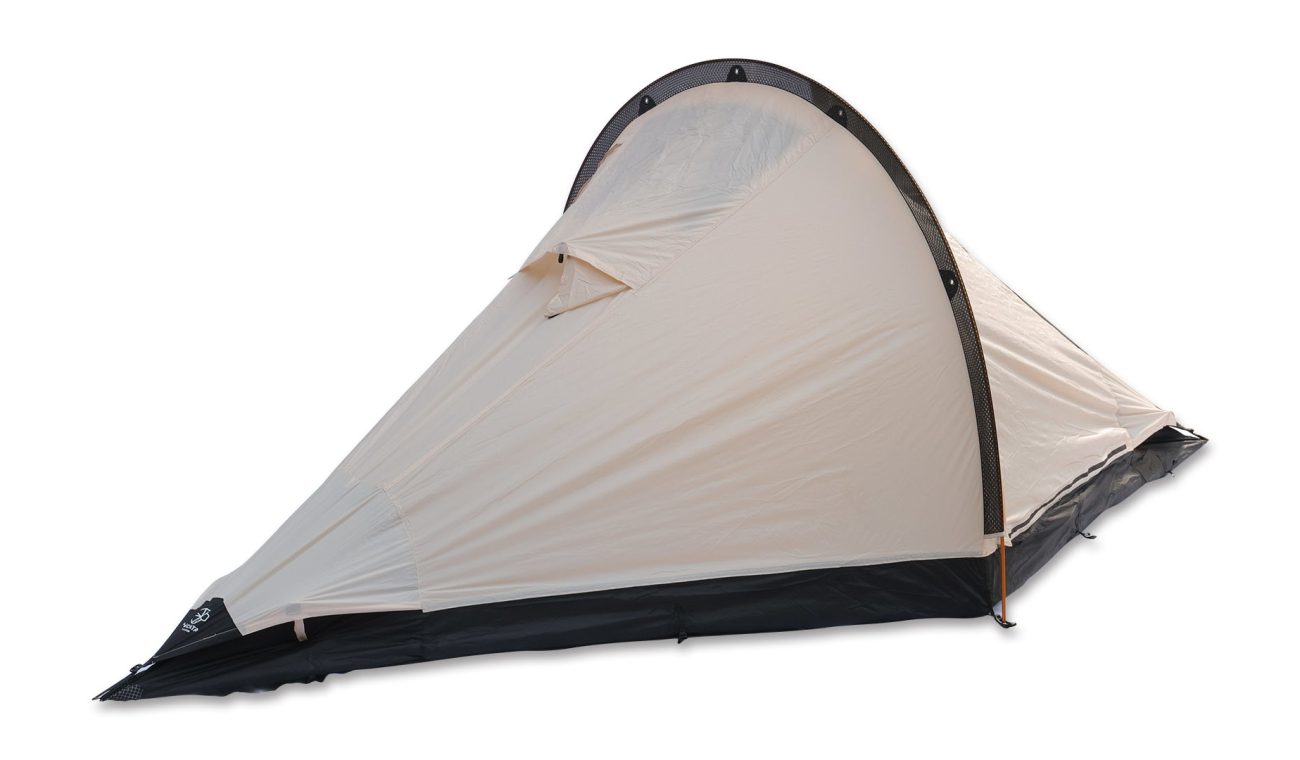
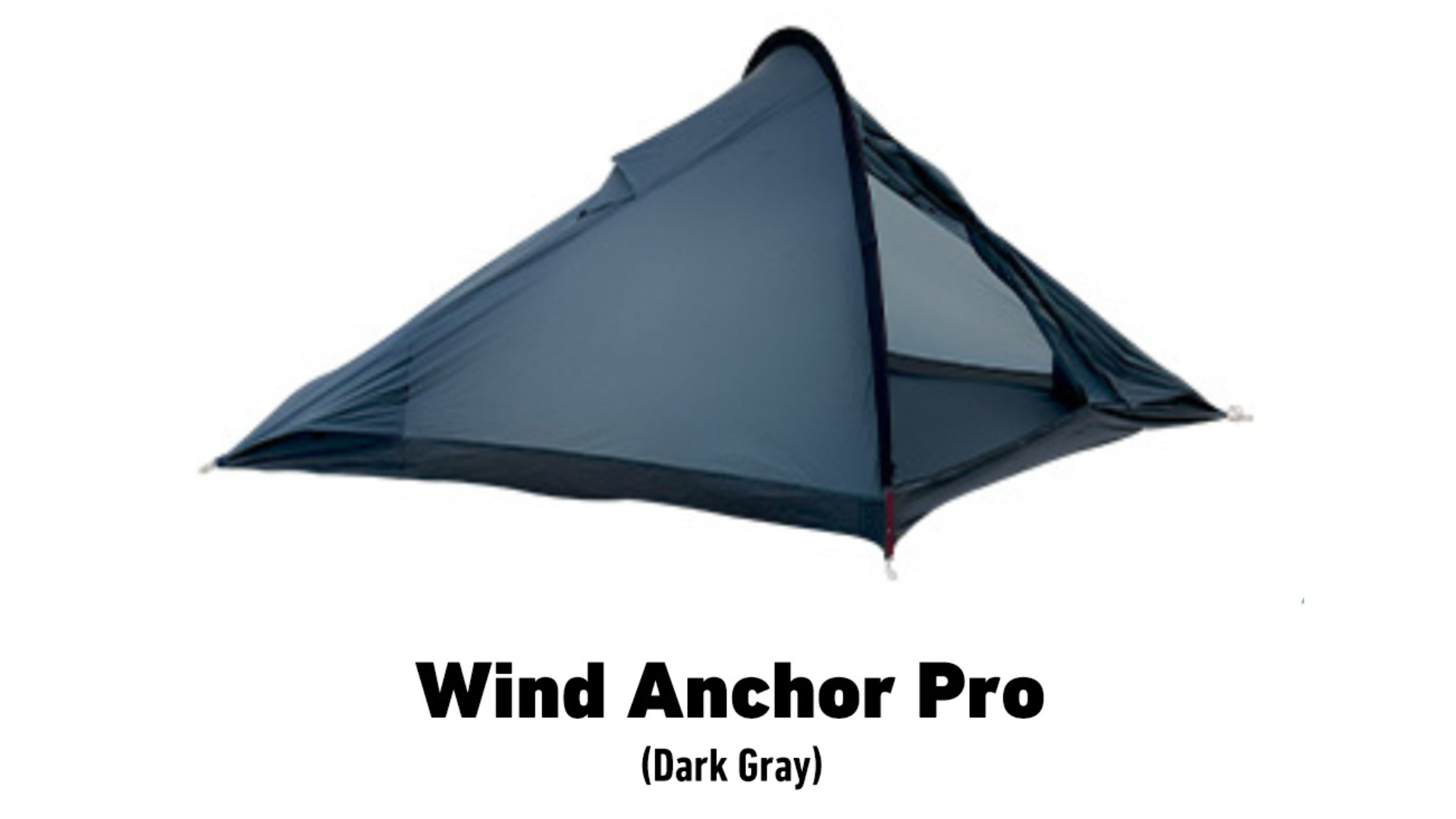
Design: dual-use poles become primary support. Benefit: minimized carried weight and fewer external components. Structural behavior: poles transfer concentrated loads through center points, creating efficient triangulation for single-wall designs. Stability: dependent on pole stiffness, stake integrity, and guyline geometry. Failure modes: pole bend or tip fracture produces rapid loss of tension; poor stake purchase on hard or frozen ground undermines anchoring. Condensation control is improved in some single-wall, high-vent designs, but internal space and vestibule volume are limited. Setup speed can be brisk for practiced users but is intolerant of pole misplacement; rehearsal reduces cognitive error under stress.
Freestanding tents: technical profile
Design: independent frame forms a discrete skeleton; fly and inner tent relationship provides layered protection. Benefit: consistent geometry regardless of external equipment; easier to reconfigure for multiple occupants. Structural behavior: distributed load across multiple poles reduces point stresses; intact structure often remains erect with partial stake failure. Failure modes: pole joint separation or sleeve abrasion are common but incremental—partial function often maintained. Vestibule area and interior headroom are superior, improving gear organization and reducing nocturnal gear fumbling. Weight and packing volume tend to be higher, but redundancy and user-friendliness are enhanced for technical weather or multi-day base operations.
Route-to-shelter matching
Short, fast sections with frequent resupply and minimal bivouac time favor trekking-pole shelters: they reduce carried grams and compress into smaller packs. High-exposure alpine ridgelines or prolonged base camps favor freestanding tents for their redundancy and vestibule logistics. Mixed routes with variable substrate require evaluating stake-holding potential: loose scree or hard-packed snow reduces the advantage of stake-reliant trekking-pole setups. Nighttime thermal management matters on cold marches; freestanding double-wall systems provide a clearer separation between condensation and sleeping volume.
 Common mistakes and corrective techniques
Frequent errors: overestimating stake quality, under-practicing setups, and choosing shelters solely by advertised mass. Corrective techniques: rehearse full-pitch setups in backyard conditions until procedure is procedural; carry a lightweight backup stake or a short spare pole segment; trim guyline lengths to maintain designed tension profiles. For trekking-pole systems, mark pole insertion points and carry pole ferrules or a repair sleeve. For freestanding tents, tape pole ends and inspect joints pre-trip; carry a splint for on-trail pole repairs. These steps reduce emergency decision load and improve survival margins.
Synthesis and practical resolution
Selection reduces to route constraints and risk tolerance: choose minimal-mass trekking-pole shelters for linear, low-gear objectives where speed and pack-volume govern physiology; choose freestanding tents when redundancy, interior volume, and ease of use take precedence on technical or prolonged routes. Practical experience shows that matching shelter architecture to anticipated anchor points, substrate, and weather yields the highest mission success rate, a principle reflected in THECATAL's curated product choices and tested designs.