A Practical Guide to Creating a Lush, Wildlife-Friendly Pond Garden
Create a thriving pond garden with British pond plants, water lilies, and marginal varieties that attract wildlife and stay easy to manage.
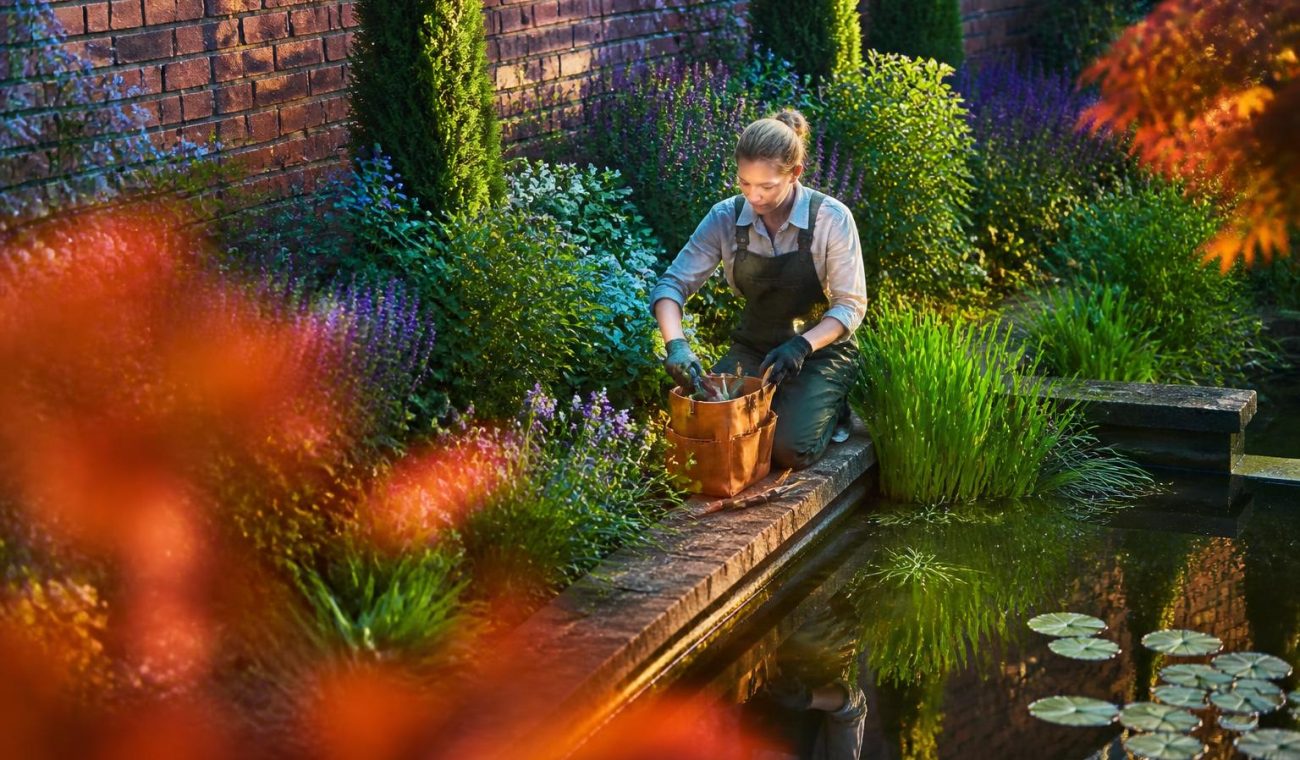
Opening setup: planning a serene, wildlife-friendly pond
Designing a pond space that feels peaceful and natural begins with careful site choice and plant selection. Consider sun exposure, nearby trees, and the flow of rainwater to avoid excessive algae growth. A well-chosen mix of pond plant varieties can provide shade, shelter, and oxygen for the water. For gardeners who want to source reliably, Buy Marginal Pond Plants helps ensure a steady supply of compatible species. Incorporating british pond plants helps the ecosystem flourish with local genetics and resilience.
In the initial layout, sketch zones for deep-water plants, floating species, and marginal pond plants that hug the edge. Plan a gentle slope for easier maintenance and consistent water depth across the planting beds. Choose a range of leaf textures and flower colors to create visual interest throughout the seasons, from spring to autumn, while keeping a natural, uncluttered look that avoids overcrowding and promotes water clarity.
Texture and structure
- Ridges of shingle or pebble around the margins provide a natural transition from lawn to water, helping to reduce mud and echo the wild edge of a pond.
- Plant groupings should mix tall background plants with low-growing rosettes to create tiers that the eye travels through as it would in a natural bog or marsh.
Second: choosing core plant categories for balance
Water lilies form a focal point in a tranquil pond and deliver both aesthetic appeal and shade for fish and beneficial critters beneath. Choose varieties that suit your depth and climate, ensuring their roots have room to spread without crowding other species. A diverse palette of foliage and bloom will keep the pond interesting through the season while maintaining ecological balance.
Marginal pond plants bridge the water and bank, providing texture and a progressive edge against the margin. They prefer damp root zones and moist soil, thriving when planted in shallow, nutrient-rich beds. Pair them with deeper-water plants and marginal options to reduce edge glare and create microhabitats for insects and amphibians, supporting a healthy ecosystem without excessive maintenance.
Third: managing water lilies and companions
Water lilies demand consistent light and a calm, filtered environment to bloom robustly. If your pond is shaded, pick hardy varieties that tolerate lower light, while ensuring no leaves are left to decay on the surface, which can sap oxygen and encourage algae. Regular trimming and careful placement will keep the water surface clear and enable beneficial insects to thrive in the margins.
Companion species around water lilies should include sturdy, low-growing marginal plants and mid-height grasses. These provide shelter for critters and help stabilize the pond’s edges, reducing erosion and nutrient buildup. Avoid crowded planting; space each clump to allow airflow and prevent root competition that could stunt growth or bloom production.
Fourth: seasonal care and maintenance routines
Seasonal care for a pond garden centers on feeding, pruning, and monitoring. In spring, remove last year’s debris, check plant health, and begin gentle fertilization with slow-release nutrients designed for aquatic plants. Regularly inspect the water for clarity and balance, adjusting depth and plant density as weed pressure fluctuates with temperature and rainfall.
Summer care focuses on keeping the water oxygenated and free of algae. Use floating vegetation to shade the surface naturally, and deploy marginal pond plants strategically to create a dense edge that discourages weed growth. A modest routine of pruning and re-potting helps slow-growing perennials maintain their vitality and keeps the overall look tidy without heavy-handed intervention.
Fifth: wildlife-friendly features and planting cues
Incorporating features that invite wildlife—such as shallow zones, sunlit shelves, and varied plant textures—encourages birds, frogs, and beneficial insects to linger. A gently sloping bank plus a log or stone ledge gives amphibians a warm retreat and breeding spots. Native or british pond plants often prove more resilient and better suited to local climates, reducing the need for frequent replacements.
Creating microhabitats around the margins invites wildlife without attracting pests. Use a mix of broad-leaf and finely textured marginal pond plants to trap moisture and provide surface cover. Avoid over-fertilization, which can lead to algal blooms; instead, rely on a modest, steady nutrient supply that mirrors natural pond systems and supports long-term health.
Sixth: design harmony and plant selection tips
Harmony in a garden pond comes from repeating color rhythms, textures, and plant heights. Combine water lilies with deep, glossy leaves and add margins of airy grasses or sedges to soften edges. Choose a color palette that transitions from pale blooms in spring to richer hues in late summer, helping the pond evolve gracefully through the growing season.
When selecting plants, consider disease resistance and growth rate to prevent overcrowding. A practical approach is to establish 3–5 core species per zone and rotate or refresh clumps every few years to maintain vigor. This strategy keeps the pond dynamic and reduces the risk of stagnation, while maintaining a clean, accessible planting bed for ongoing care.
Seventh: final checks and long-term stewardship
With plants in place, the final phase centers on routine checks, seasonal refreshes, and a basic maintenance calendar. Establish a schedule that includes winter protection for tender rhizomes, spring cleanup, and summer water quality checks. Document plant varieties and growth patterns to guide future decisions, ensuring the pond remains a thriving sanctuary year after year.
Finally, cultivate a mindset of minimal intervention that aligns with natural processes. The garden pond should feel integrated with the larger landscape, a quiet, self-sustaining feature that invites careful observation rather than constant alteration. A well-planned, plant-rich pond garden can sustain itself while rewarding you with seasonal color, wildlife activity, and peaceful reflection.
Keep reading
 Home
Home
Practical Guide to Transforming Small Outdoor Spaces with Thoughtful Gardening and Interior-Style Decor
 Real Estate
Smart Strategies for Navigating a Dynamic Real Estate Market: From First-Time Purchases to Smart Investments
 Casino