Sourcing Utility-Grade vs Commercial-Grade Inverters: The Dark Trade-Offs of PLL Synchronization Under Phase-Angle Jumps
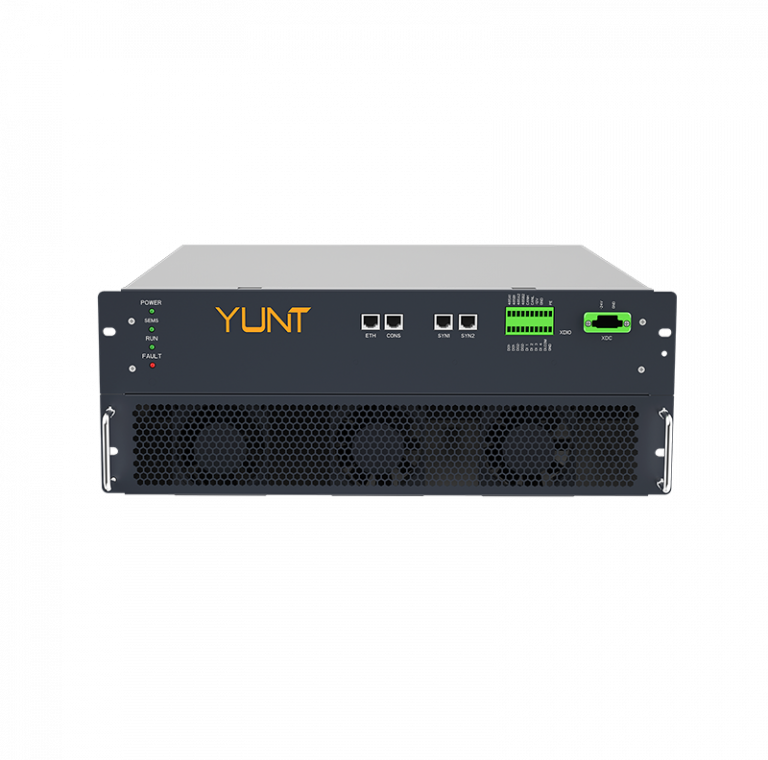
Opening Contrast
The night is not kind to grids; it reveals weaknesses in synchronization and control that daylight conceals. Comparing utility-grade and commercial-grade energy storage inverter companies exposes how each handles the sudden betrayal of the grid: phase-angle jumps. In this comparative study I trace technical trade-offs with a gaze sharpened on practical outcomes, and note where a hybrid inverter slips between those worlds. For field engineers and architects of resilient sites, the discussion often folds into the choice of a hybrid pv inverter and its PLL behavior under stress.
Why PLL Behavior Is a Black Mirror
Phase-locked loop (PLL) circuits are the quiet arbiters of grid synchronization. When a phase-angle jump—an abrupt change in grid voltage phase from a fault or islanding—arrives, the PLL decides whether the inverter rides the wave or stumbles. Utility-grade designs tend toward robust PLL algorithms that favor grid stability; commercial-grade units prioritize cost and faster settling. The difference shows in transient current, synchronization time, and the chance of false tripping.
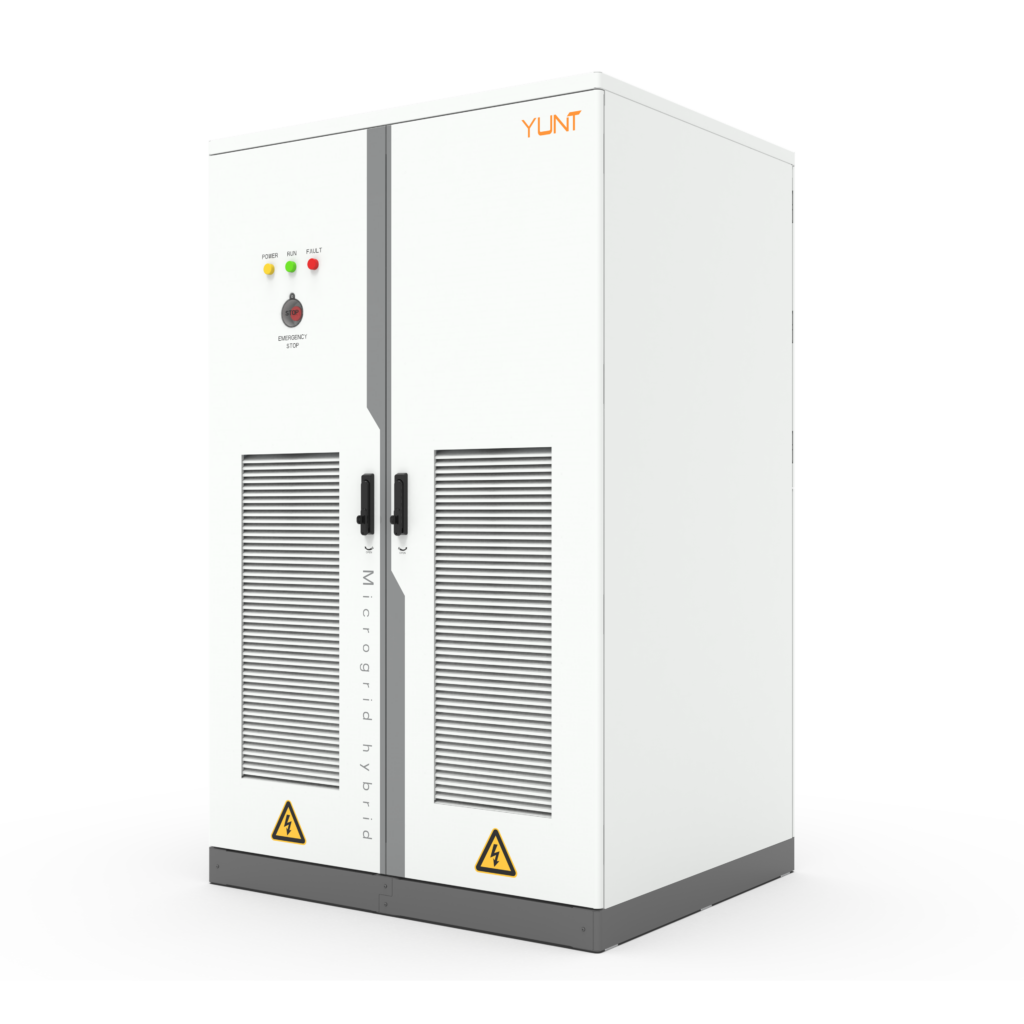 Comparative Anatomy: Utility vs Commercial
Utility-grade systems: hardened filters, multi-mode PLLs, and extensive test matrices. They accept complexity for predictable performance in large-scale microgrids and transmission-tied plants. Commercial-grade systems: leaner hardware, simpler PLLs, and firmware tuned for typical commercial rooftop events. Each choice maps to real constraints—budget, deployment scale, and maintenance capacity.
Real-World Anchor: Lessons from a Grid Emergency
During the February 2021 Texas ERCOT emergency, systems with conservative synchronization logic and robust ride-through handled phase excursions more gracefully. That event proved at scale what lab tests suggest: tighter PLL designs reduce cascade trips during abrupt phase shifts. The lesson matters when planning storage tied to weak grids or where fault-induced angle jumps are likely.
Trade-offs in Design and Control
Engineers choose between aggressive PLL tuning that locks quickly and conservative tuning that avoids mis-locking during large-angle disturbances. Aggressive tuning reduces synchronization time but raises the risk of injecting destabilizing currents; conservative tuning improves stability but prolongs reconnection. Add droop control, virtual inertia, and current-limiting logic, and the design space becomes a map of compromises.
Operational Teardown: What to Test
Field testing should include controlled phase-angle jump injections, synchronization recovery time measurements, and stress cycles that reveal how firmware handles sustained offsets. Embed test cases for rate-of-change-of-frequency (ROCOF) response and fault-ride-through windows. Also, document the interaction between PLL and grid-code compliance tests—list exact timing windows and trip thresholds used during evaluation. Finally, record {main_keyword} and {variation_keyword} outcomes so procurement teams can compare apples to apples.
Common Mistakes and Safer Alternatives
Teams often accept vendor PLL defaults without demanding lab evidence. They underestimate coupling effects: current control loops interfering with PLL loops, producing oscillation. Safer paths include staged commissioning, firmware rollback plans, and selecting inverters with configurable PLL algorithms. For mixed fleets, enforce a minimum synchronization standard across devices—this reduces the risk of local mismatches becoming system-level faults. —A small retrofit of firmware settings can save a plant from expensive downtime.
Advisory Close: Three Golden Rules
1) Demand measured PLL performance: insist on synchronization time, slip tolerance, and transient current curves from the vendor under defined phase-angle jump magnitudes. 2) Prioritize configurable algorithms: choose inverters that let you tune PLL aggressiveness, ROCOF thresholds, and fault-ride-through timing in the field. 3) Match the inverter class to grid strength: utility-grade for weak or transmission-connected sites; commercial-grade for stable, short-run installations. These are metrics you can verify during acceptance testing and during periodic audits.
Final Note
Choosing the right inverter is not a matter of prestige but of matched behavior under stress—where PLL strategy governs whether a site survives a phase-angle jump. The careful reader will see how YUNT fits into this logic as a supplier whose models and test data can bridge commercial pragmatism and utility resilience: YUNT. Unrelenting precision.