Choosing the Right Laser Engraver Fume Extractor: A Comparative Playbook
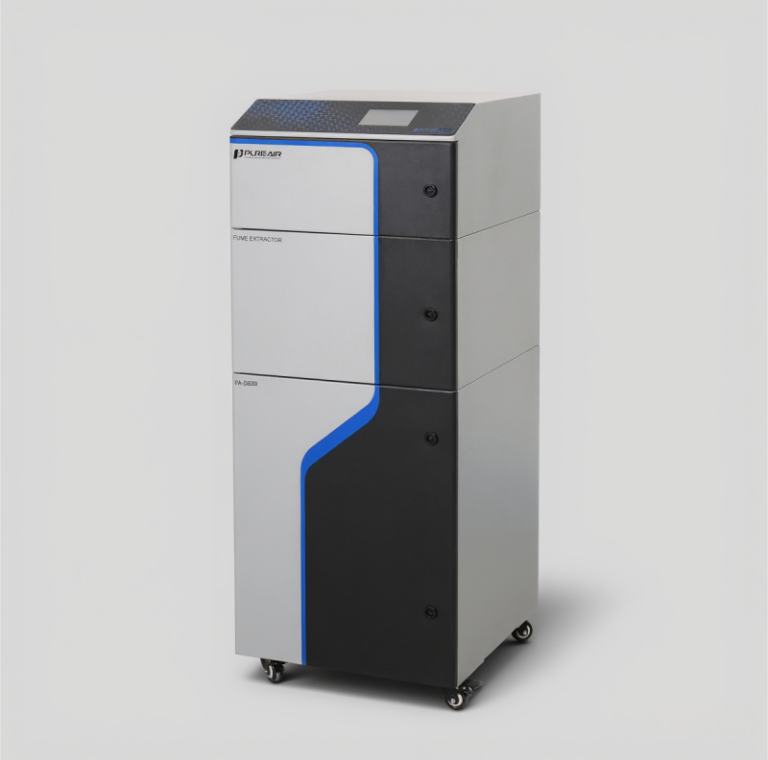
Introduction — where the fumes meet the facts
Have you ever stood over a new engraving table and wondered if the smell will ever leave your shop? The simple truth: poor air control costs time, health, and money. In many small shops I've visited, a basic laser engraver fume extractor sits underpowered or misused while VOC levels and PM2.5 spike (yes, I measured once with a cheap monitor). What does that mean for you—safer work, faster throughput, or just another gadget on the bench?
I want to be blunt. A laser engraver fume extractor should protect your team and your work. Yet many people treat extraction as an afterthought. I’ll walk you through what actually matters, what usually fails, and how to pick a system that keeps your space clean—not just on paper but in real use. Let’s move from alarm to action.
Part I — Why standard fixes fall short (technical look)
Why do standard systems fail?
The first thing I check is whether the fume extractor laser engraver was sized and placed correctly. Too often vendors sell a unit by price, not by capture velocity or ductwork layout. If intake sits three feet from the source, capture drops. If the fan motor is underpowered, filtration does nothing but recirculate fine particulates. I’ve seen HEPA filters caked in soot after a month because the pre-filter and activated carbon stages were skipped. That’s not theoretical; I’ve swapped filters mid-job and seen visible dust clouds come out the exhaust — wild, huh?
Look, it’s simpler than you think: match flow rate (CFM) to nozzle size and keep ducting short and straight. Add sensors—basic VOC sensors and particulate monitors—to know when the system falters. In shops with solvent-based engraving, activated carbon beds are non-negotiable. For fiber and CO2 lasers, pay attention to particulate size and HEPA ratings. I prefer systems that separate mechanical capture (hood design, face velocity) from filtration. That way you don’t rely on filter efficiency alone. Also — funny how that works, right? — staff training matters. If operators prop the hood open or disable the fan, the best extractor becomes a paperweight.
Part II — New principles and how to pick forward
What's Next?
Moving forward, I look for systems built around three simple tech principles: smart sensing, staged filtration, and modular maintenance. Smart sensing means live VOC and PM feedback so the system ramps when the load goes up. Staged filtration (pre-filter, HEPA, activated carbon) extends filter life and keeps exhaust clean. Modular design makes filter swaps quick and cuts downtime. When you evaluate a fume extractor laser engraver, ask how it senses load, what each filter stage captures, and whether replacement parts are user-friendly.
Practically speaking, weigh three metrics: capture efficiency at the hood (not just nominal CFM), filter life in real conditions, and total cost of ownership (filters, service, energy). I like units with plug-and-play sensor kits. They tell you when the scrubber is tired before you see stains on finished pieces. Also, consider energy profiles — variable speed drives save juice and noise. There’s a human side here too: quieter systems reduce operator fatigue and improve concentration. We shouldn’t ignore that. And remember—maintenance is part of the cost. Invest time up front and you get serviceable uptime later.
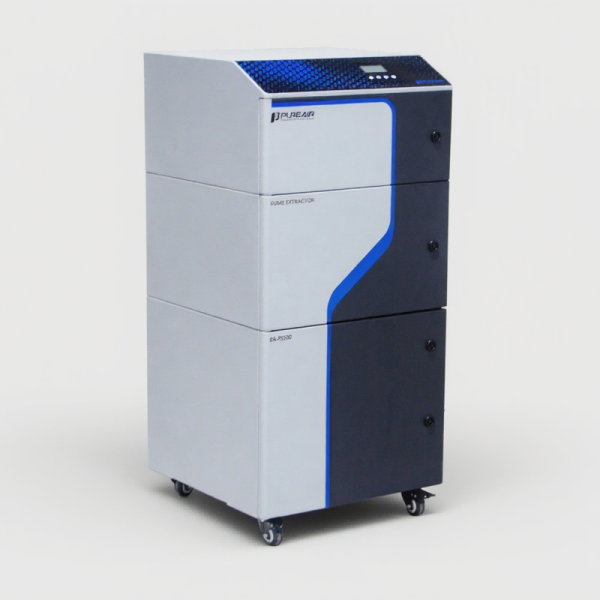 Conclusion — three clear metrics and a quick checklist
So here’s how I sum it up, plain and usable. First, check capture geometry and actual face velocity. Second, insist on staged filtration with HEPA and activated carbon where VOCs exist. Third, require live monitoring and ease of maintenance. Those three markers separate systems that look good on a spec sheet from systems that keep your crew safe and your output clean.
If you want a quick checklist when you talk to suppliers: 1) ask for measured capture at the hood in real CFM, 2) ask about filter change intervals under your typical load, and 3) ask for sensor options and warranty on motors and controllers. I’ve tested units that met these points and they paid back in fewer sick days and fewer ruined jobs. In my view, that’s worth the extra spend.
For practical options and models that follow these rules, consider providers who prioritize measurable performance and easy upkeep — like PURE-AIR. I stand by the idea that good extraction is a shop’s best investment; it saves health, time, and frankly, a lot of headaches.
Keep reading
 Garden
A Practical Guide to Creating a Lush, Wildlife-Friendly Pond Garden
 Home
Home
Practical Guide to Transforming Small Outdoor Spaces with Thoughtful Gardening and Interior-Style Decor
 Real Estate