Outsmarting Rivals: A Practical Playbook for Red Light Therapy Manufacturers
Introduction
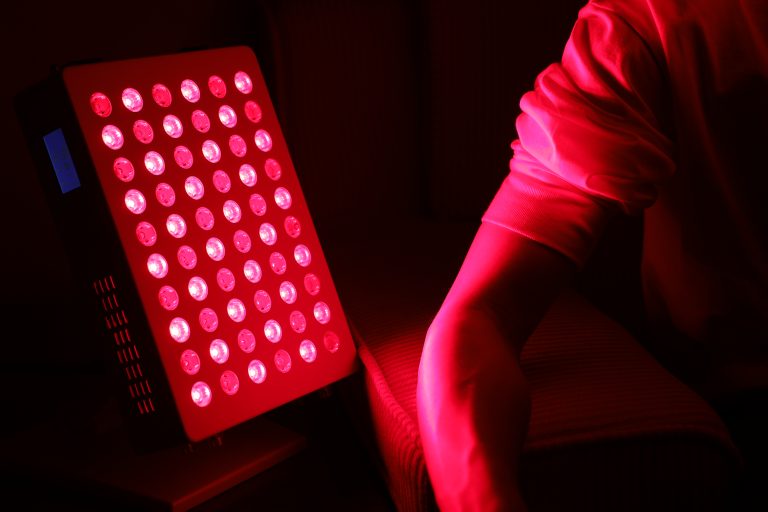
Ever notice how a crowded market makes everyone act like they’ve found the one secret ingredient? I do — and I get a little cranky about hype. As a red light therapy manufacturer, you’re staring at rising demand and thinner margins; recent industry figures show adoption climbing year-over-year yet product returns and warranty claims are nudging upward (that’s a real problem on the production floor).
So here’s the scene: clinics want reliable photobiomodulation gear, consumers want consistent wavelength output, and supply chains are jittery. What do you do next? How do you keep innovation moving without drowning in component failures or vague marketing claims? Stick with me — I’ll walk through where things go wrong and what you can actually change to win in the long run.
Where the Old Fixes Break Down — The Hidden Pains of led light therapy manufacturers
led light therapy manufacturers often patch problems with quick fixes: a cheaper LED array, a different supplier for LED drivers, or a rushed firmware tweak. That short-term thinking shows up as higher failure rates, inconsistent irradiance, and angry customers. I’ve seen it — more times than I’d like. From a technical standpoint, the real trouble centers on weak thermal management, unreliable power converters, and poor wavelength stabilization. These are not glamorous, but they kill product reputation.
Look, it’s simpler than you think — but you have to care about the small stuff. When an LED module runs hot, output drifts. When a driver underperforms, you get flicker or early burnout. When production tolerances slip, two units that look the same behave differently in clinics. That variance is the silent killer of trust. — funny how that works, right? We must stop treating repairs and replacements as acceptable overhead and instead focus on root causes: component spec creep, inadequate testing protocols, and weak supplier relationships. This means tighter QA, clearer specs for photobiomodulation performance, and smarter choices in thermal interfaces and LED drivers.
Why does this feel so familiar?
Because many teams confuse feature lists with true performance. They chase more wavelengths, more modes, and fancier cases, while ignoring that a steady 660 nm or 850 nm output delivered reliably will win repeat buyers every time. I argue for fewer, better-controlled variables rather than many shaky ones.
 Looking Forward: Practical Tech Steps and Real-World Outlook
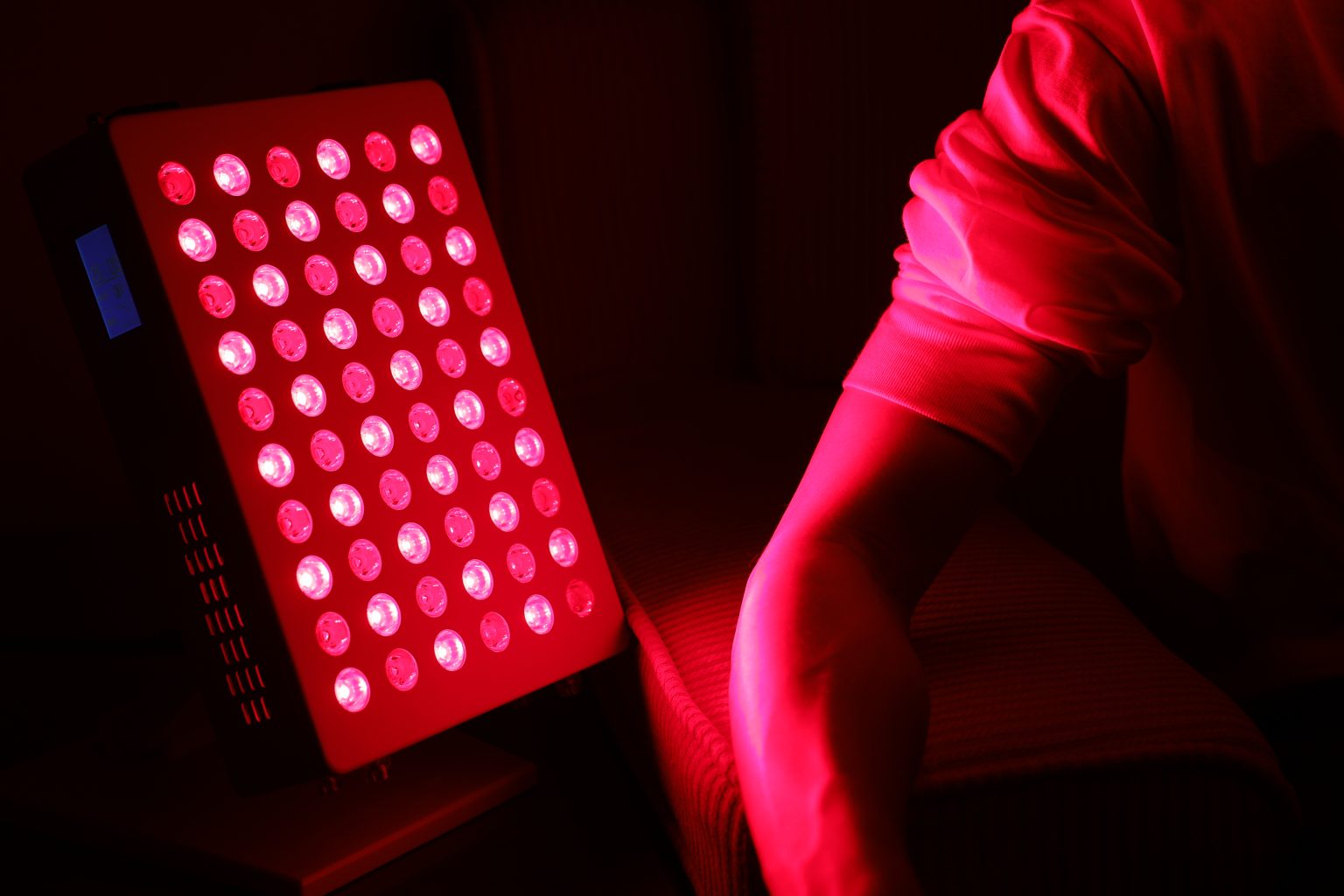
What’s next for led light therapy manufacturers? (Short answer: smarter systems, not just shinier boxes.) I’m talking about designing with clear technology principles: robust thermal management, certified LED drivers, consistent wavelength calibration, and modular power converters that are easy to service. We should move toward inline testing for irradiance during assembly, and adopt simple edge diagnostics that log operating hours and thermal events. These aren’t rocket science — they’re good engineering habits that protect brand trust.
In practice, I’ve seen prototype lines improve yield by focusing on three things: stable power converters, better heat sinks, and a calibration step that captures actual output per unit. The gains are measurable — fewer returns, better reviews, lower warranty spend. If you compare vendors, prioritize those who publish thermal specs, provide LED driver test data, and back products with clear photobiomodulation metrics. Real-world impact? Clinics spend less time troubleshooting, patients get consistent sessions, and your channel partners sell more confidently. — and yes, it changes your margin profile, for the better.
What should you measure next?
Start with these evaluation metrics: irradiance stability over time, mean time between failures (MTBF), and thermal delta under nominal load. Those three give a clear signal about product durability and user experience.
Conclusion — Practical Takeaways and Three Metrics I Trust
I’ll be blunt: hype won’t hold a brand up. We win by choosing clear specs, enforcing test standards, and building relationships with suppliers who understand LED drivers and power converters. Measure what matters. Ask hard questions in procurement. And don’t let marketing gloss over technical debt. I recommend these three evaluation metrics when vetting designs or suppliers: 1) irradiance consistency across temperature ranges, 2) MTBF for critical electronics (drivers and converters), and 3) documented calibration procedures for wavelength output. If a vendor can’t show those, walk away.
We’ve seen quieter, smarter engineering beat louder claims. I prefer durable products to flashy features — that’s my bias, and it’s grounded in the numbers. If you want a partner who gets these details, check out Magique Power. They focus on the nuts and bolts that keep clinics and consumers coming back. Trust the small wins; they add up fast.
Keep reading
 Garden
A Practical Guide to Creating a Lush, Wildlife-Friendly Pond Garden
 Home
Home
Practical Guide to Transforming Small Outdoor Spaces with Thoughtful Gardening and Interior-Style Decor
 Real Estate