Smart Outdoor Living: Practical Garden Care and Cozy Home Corners
Practical garden care and cozy interior ideas unite for a functional home outdoors and indoors.
Designing a Practical Outdoor Routine
Creating a reliable outdoor routine starts with a simple plan that blends maintenance with enjoyment. Establish a weekly cycle for mowing, trimming, and pruning, then layer in seasonal tasks like soil testing and mulch refreshment. By pairing efficiency with consistent habits, you free more time for creative projects inside the home and in the garden. For hands-on tasks, consider a sturdy tool kit and a well-labeled storage station that keeps equipment ready to go, reducing stray time and frustration. gas weed wacker is a common companion for fast edge work and resilient edging along pathways.
When planning space, think of each zone as a small room with its own purpose. A compact seating area can become a social hub adjacent to edible plantings, while a border of herbs doubles as a sensory border for a calm outdoor experience. Align your garden beds with your interior color palette for a cohesive look that translates from windows to your patio. Investing in durable, weather-ready decor helps unify home improvement goals across the space.
Soil, Bed Prep, and Plant Selection
Soil preparation lays the groundwork for successful gardening and long-term plant vigor. Start by testing pH levels and organic content, then amend with compost and slow-release fertilizers to boost microbial activity. Smooth, well-structured beds reduce compaction, improve drainage, and invite beneficial insects. Choosing plant varieties that thrive in your climate minimizes maintenance while maximizing visual impact and productivity in edible plots and ornamental borders alike.
Bed design should consider sun exposure, water access, and visual rhythm throughout the seasons. Use a mix of perennials for year-after-year structure and annuals for seasonal color shifts that echo interior decor changes. Incorporating mulch layers protects roots, moderates temperature swings, and suppresses weeds, which is essential when balancing interior life with outdoor responsibilities in a busy home environment.
Watering Strategy for Healthier Plants
A smart watering plan reduces waste and supports plant health through dry spells and unexpected heat. Install a drip irrigation system or soaker hoses with a simple timer to deliver moisture directly to roots, which minimizes evaporation and keeps foliage dry to deter disease. Group plants with similar water needs into zones, making maintenance predictable and budget-friendly for homeowners who want reliable results without constant oversight.
Seasonal adjustments matter as plants shift growth patterns. Early spring might require deep soaking after dormancy, while midsummer demands more frequent, lighter watering to avoid stress. Keep a rain gauge handy to personalize your schedule, and adjust your controller for preferred days. A thoughtful approach to watering aligns with interior routines, maintaining a calm, ecological rhythm across home and garden spaces.
Focal Points: Pathways, Borders, and Features
Effective landscape design uses focal points to draw the eye and guide movement, creating a natural flow from entryway to garden bed. Consider a bold statue, a striking specimen tree, or a sculptural planter as anchors that anchor the space visually. Pathways should be wide enough for comfort and crafted from durable materials like pavers or gravel that tolerate weather without excessive upkeep. These elements support a cohesive decor language that stitches together interior and exterior living spaces.
Seasonal features such as a flowering arch, a water feature, or a small greenhouse can become conversation pieces that elevate home improvement conversations. Integrate lighting that highlights plant textures and architectural lines, extending the usefulness of the garden into evening hours. A thoughtful approach to borders—varying height, texture, and color—keeps the scene dynamic and engaging for guests and residents alike.
Composting and Soil Health
Compost is the quiet engine of a thriving garden, transforming kitchen scraps and yard waste into a rich soil amendment. Start with a simple bin placed in a shady corner, layering greens and browns to balance moisture and aeration. Turning the pile every couple of weeks accelerates decomposition, while maintaining a steady rhythm of nutrient release that feeds root systems and soil life for months to come.
Use finished compost to enrich beds before planting or to rejuvenate tired soil in raised beds and containers. This practice reduces landfill waste and lowers fertilizer costs, supporting a sustainable approach to home improvement and gardening. A healthy soil ecosystem translates into vigorous plants, easier maintenance, and a more resilient outdoor living area.
Seasonal Care: Spring into Summer
Spring brings new growth, longer hours of daylight, and the first opportunity to rework tired borders. Remove spent foliage, prune lightly, and refresh mulch to suppress weeds and regulate soil moisture. Plan a planting map that aligns with adjacent interior color stories, ensuring a smooth transition from home decor to garden mood. This is the moment to introduce pollinator-friendly species that will sustain beauty throughout the season.
Summer requires monitoring for pests and heat stress, with proactive measures such as row covers, beneficial insects, and proper irrigation timing. Regular deadheading maintains bloom cycles and prevents seed waste. A mid-season refresh of containers and borders keeps the scene vibrant, echoing a modern interior that values thoughtful layering, texture, and gentle color shifts across the home and yard.
Interior-Exterior Harmony and Small-Space Solutions
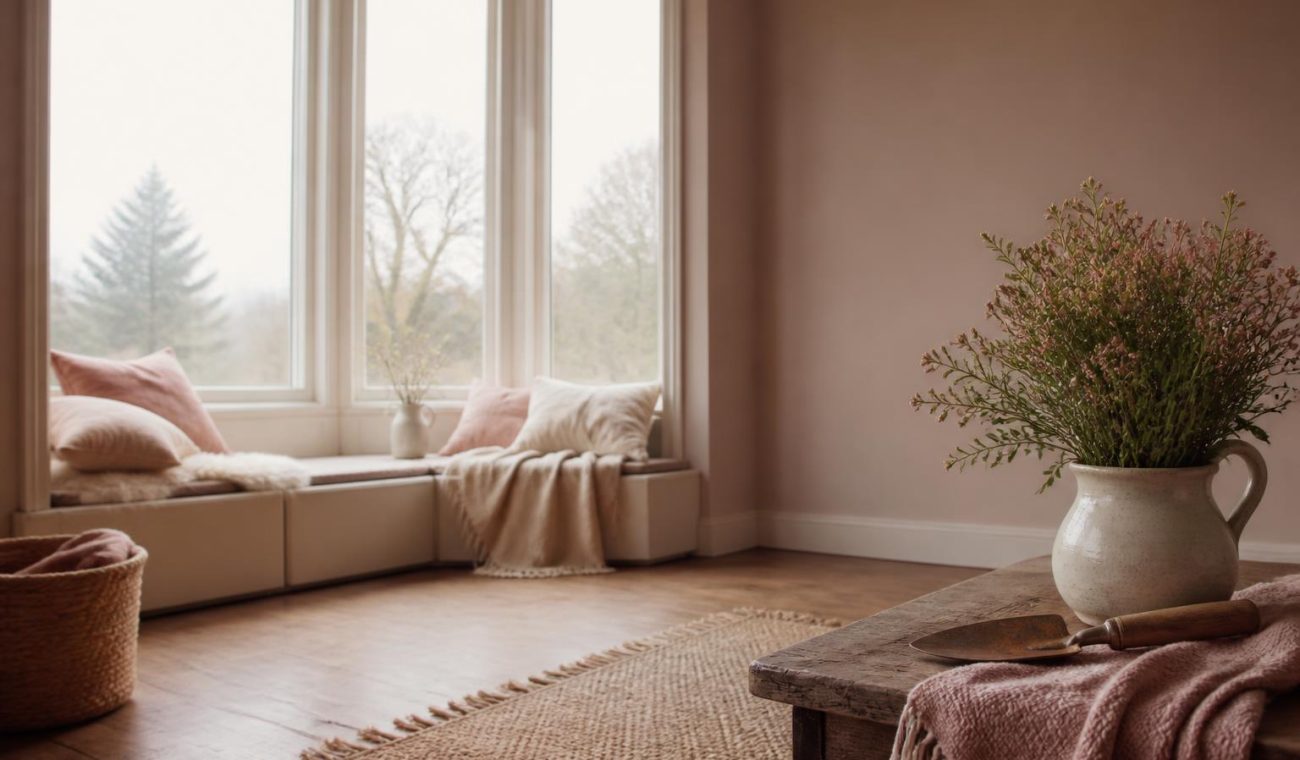
Bringing garden vibes into interior spaces is about echoing textures, colors, and forms. Use natural materials such as rattan, wood, and ceramic planters to connect decor with outdoor elements. A compact indoor herb garden not only freshens the air but also reinforces the idea that gardening is a daily lifestyle, not a seasonal task. Thoughtful placement of cushions, textiles, and lighting creates a soft, inviting ambiance that mirrors a well-balanced home improvement plan.
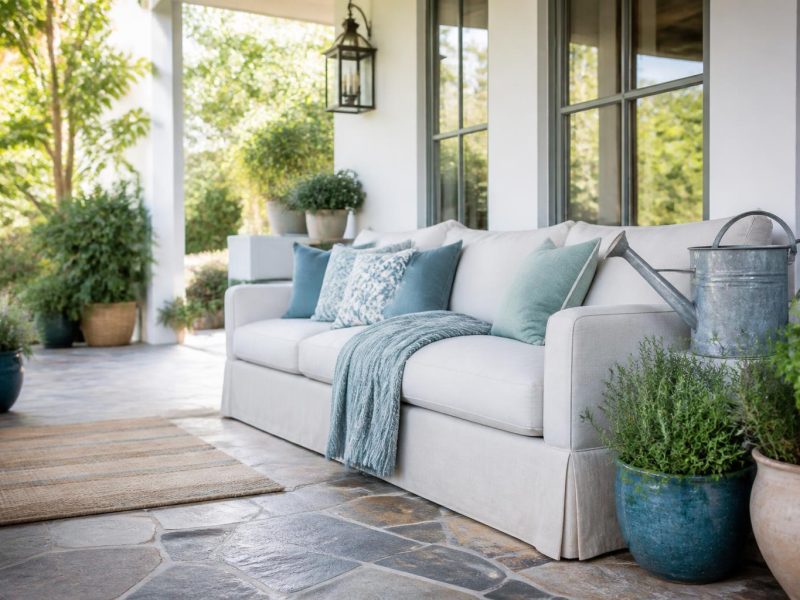
Outdoor furniture in weather-resistant finishes can mirror the comfort of interior seating areas, encouraging longer time spent in nature. Consider foldable or modular pieces that adapt to changes in weather or guest counts, much like flexible interior layouts. By coordinating color palettes with indoor decor, you achieve a seamless transition from kitchen table to patio lounge, making everyday life feel curated and calm.
Texture and Lighting in Mixed Spaces
- Low-voltage lighting along paths enhances safety and ambiance after dusk.
- Textured fabrics and natural fibers on outdoor furniture echo interior textiles.
- Planters with varied heights create layered visuals that resemble interior shelves.