Smart Landscaping and Interior-Blended Gardening: A Practical Guide for Home Makeovers
A practical guide blending gardening with home improvement and interior styling for cohesive curb appeal and greener, more livable spaces.
Foundations of a Cohesive Outdoor-Indoor Look
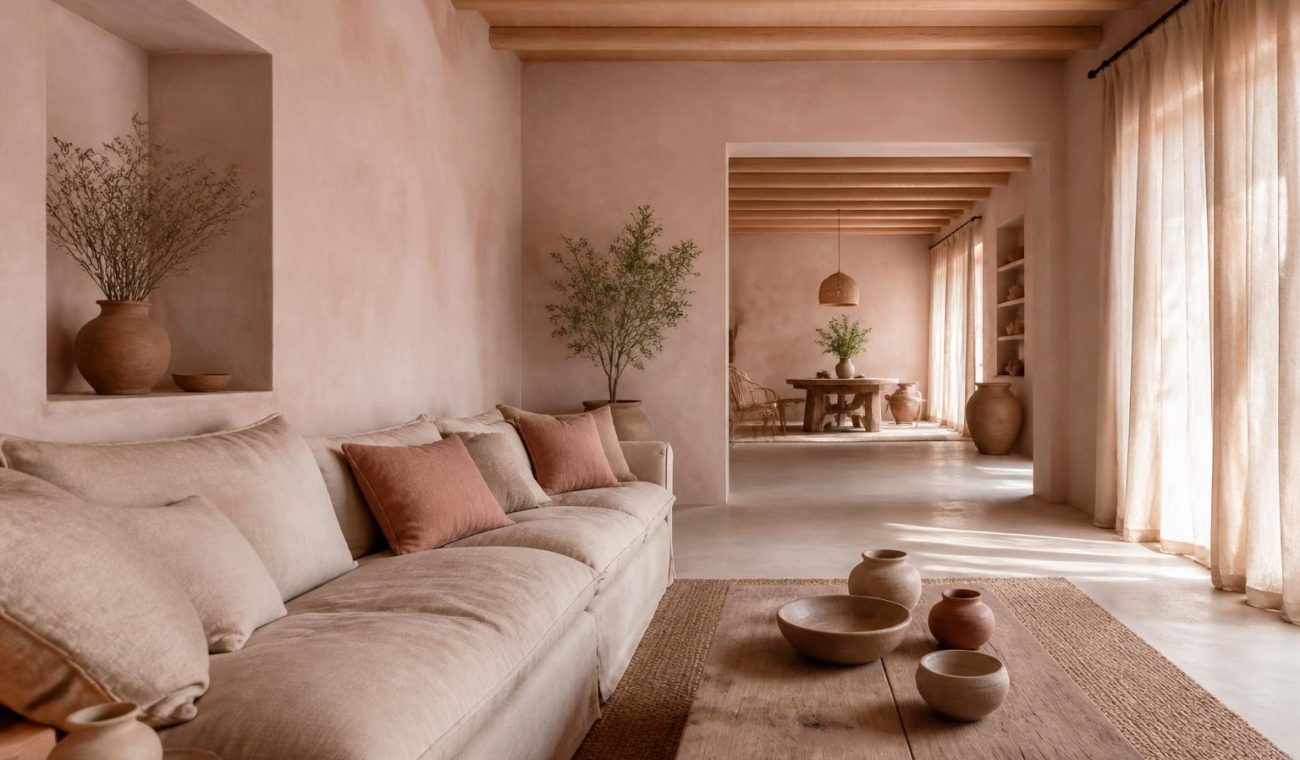
A thoughtful home improvement project begins with a clear vision that marries exterior and interior spaces. Start by assessing how your garden will complement your home’s architecture, choosing plant palettes that echo the interior color story while adding texture and seasonal interest. A well-considered approach reduces maintenance and creates a seamless transition between lounging areas, entryways, and the garden itself, inviting guests to linger. lawn mowing robot can tame turf so your greens remain a timeless backdrop for decor elements and outdoor seating.
Next, map functional zones that support everyday routines—a dining nook near a herb garden, a play area shielded by shrubs, and a restful seating corner tucked into a fragrant border. Lighting, pathways, and seating arrangements should reinforce how you move through the space, much like interior rooms guide daily life. Consider how weather, wind direction, and sun exposure shape color choices, focal points, and the placement of decorative items to foster a calm, livable atmosphere.
Choosing Plants with Purpose: Color, Texture, and Scale
Gardening thoughtfully means selecting plant species that deliver ongoing structure, color, and fragrance while requiring manageable care. Start with a backbone of evergreen shrubs for year-round presence, then layer with perennials that bloom in succession to ensure interest from spring through fall. Groundcovers can reduce weed pressure and soften edges, while ornamental grasses add movement and yearlong texture that complements modern interior-inspired decor trends.
Also consider pollinator-friendly choices that support local ecosystems without overwhelming your space. Native perennials often require less water and fewer chemical inputs, aligning with a simple, sustainable interior that values natural materials and calm tones. Thoughtful scale prevents overwhelming colors or leafy mass, ensuring the garden reads as an extension of the home rather than a separate, maintenance-heavy project.
Water-Wise Strategies for Modern Homes
Efficient watering begins with soil health, mulching, and thoughtful irrigation planning. Build a simple, zone-based system that prioritizes roots while reducing runoff, and match plant water needs to sun exposure. A rain barrel can supply planters and pots during dry spells, supporting a minimal water footprint while giving you tangible proof of responsible home improvement in action.
Beyond irrigation, landscaping shapes microclimates around the house. Strategic tree placement can cool living spaces in summer and act as windbreaks in winter, lessening heating and cooling loads. Use permeable surfaces for patios and paths to facilitate groundwater recharge, a practical detail that aligns with interior design sensibilities—clean lines, natural textures, and a calm palette that feels both modern and grounded.
Texture and Lighting: The Fine Details that Tie Exterior to Interior
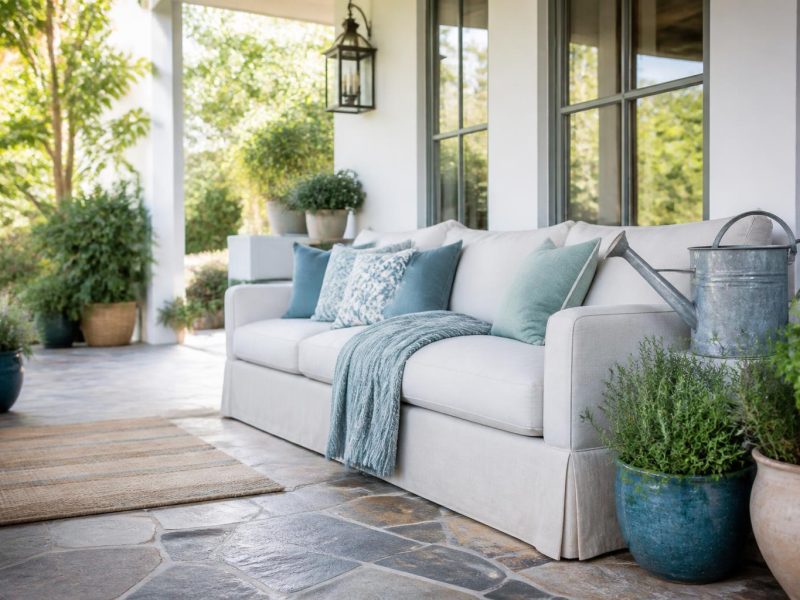
Texture in the garden mirrors tactile choices inside the home. Pair smooth stone with rough wood and soft textiles for a dynamic, inviting exterior that resonates with interior fabrics and finishes. Use pots and planters that echo indoor décor accents, turning the outdoor room into a true extension of your living space with a cohesive, curated feel that invites lingering conversations and moments of pause.
Lighting orchestrates mood when day fades into night. Layered lighting—path lights, uplights on specimen plants, and warm accents near seating—creates safety, depth, and atmosphere. Integrate smart controls where possible to align exterior lighting with your daily routines, reinforcing a home improvement mindset that blurs the line between interior comfort and garden serenity.
Sustainable Materials and Craftsmanship
Choosing durable, low-maintenance materials reduces ongoing labor and reinforces a practical, long-term home improvement strategy. Opt for weather-resistant timber, composite decking, and permeable pavers that endure exposure while maintaining clean, contemporary lines. Inside, replicate sustainable choices with low-VOC paints and natural fiber textiles to reinforce a cohesive narrative of care and quality across spaces.
Craftsmanship matters as much outside as inside. Hire skilled tradespeople for precise installation of edging, irrigation, and built-in seating, creating a polished look that remains usable for years. A garden that feels carefully assembled mirrors interior rooms where every trim, switch plate, and cushion is selected for durability, comfort, and a sense of timeless decor that age gracefully.
Edible and Fragrant Boundaries: A Gentle Edible Edge
Integrating herbs and small edible crops near entryways or dining spaces provides practical rewards while reinforcing an interior-inspired vibe. Raised beds or compact raised planters can be styled with neat borders and soft edging to echo kitchen countertops and cabinet tones. Fresh herbs on hand make home cooking more enjoyable and underscore a lifestyle that values practical decor and easy access to nature’s harvests.
Asparagus, blueberries, or compact tomatoes can fit into a thoughtful, space-conscious layout that supports seasonal kitchen adventures. Plant choices can mirror the color story found indoors, while fragrances from thyme, mint, or lavenders create a sensory link between home and garden that elevates daily rituals and social gatherings alike.
Maintenance Routines that Protect Your Investment
Develop a seasonal calendar for pruning, fertilizing, and mulch replenishment so exterior maintenance never feels like an afterthought. Regularly assessing soil health and adjusting watering during dry spells helps sustain plant vigor with less effort. By treating the garden as a living room extension, you ensure it remains inviting and well-kept without overwhelming your schedule.
Incorporate quick-clearing routines after storms or heavy winds to prevent damage and maintain tidy lines. A simple tool kit with a hori-hori knife, pruning shears, and a small trowel keeps upkeep manageable. When the garden is orderly, interior spaces feel less cluttered, reinforcing a calm, cohesive home environment that supports everyday living and occasional entertaining.
Texture and Structure in Micro-Spaces
- Define narrow borders with uniform brick or timber edging.
- Use benches and vertical planters to maximize small lawns.
- Incorporate aromatic plants near doors for welcome scents.
Creating a Year-Round Outdoor Room
Design for the seasons by selecting plants with winter interest, such as ornamental berries, bark, or evergreen textures that hold structure when deciduous growth slows. This mindful planning ensures the outdoor area remains visually engaging, echoing the thoughtfulness you apply to interior decor and home improvement projects throughout the year.
Apply flexible furnishings and weatherproof fabrics to outdoor seating, allowing the space to function as a true second living room. By balancing comfort, function, and aesthetics, you’ll create an inviting environment that seamlessly ties interior vibes to exterior life, supporting a lifestyle that values gardening, decor, and practical home enhancements alike.