Practical Guide to Transforming Small Outdoor Spaces with Thoughtful Gardening and Interior-Style Decor
Discover how to blend gardening with home improvement and interior flair to create inviting outdoor spaces that feel like extensions of your home.
Opening Foundations: Planning a Garden that Feels Like Home
The first step in any successful outdoor project is a clear plan that connects your garden to the interior vibe of your home. Consider how light, color, and texture will flow from living rooms and kitchens to the patio or balcony. A thoughtful layout reduces clutter and creates cohesive zones for dining, lounging, and plant displays. Buy Marginal Pond Plants will enhance water features and bring a touch of life to the edges of your space, echoing interior accents with natural charm.
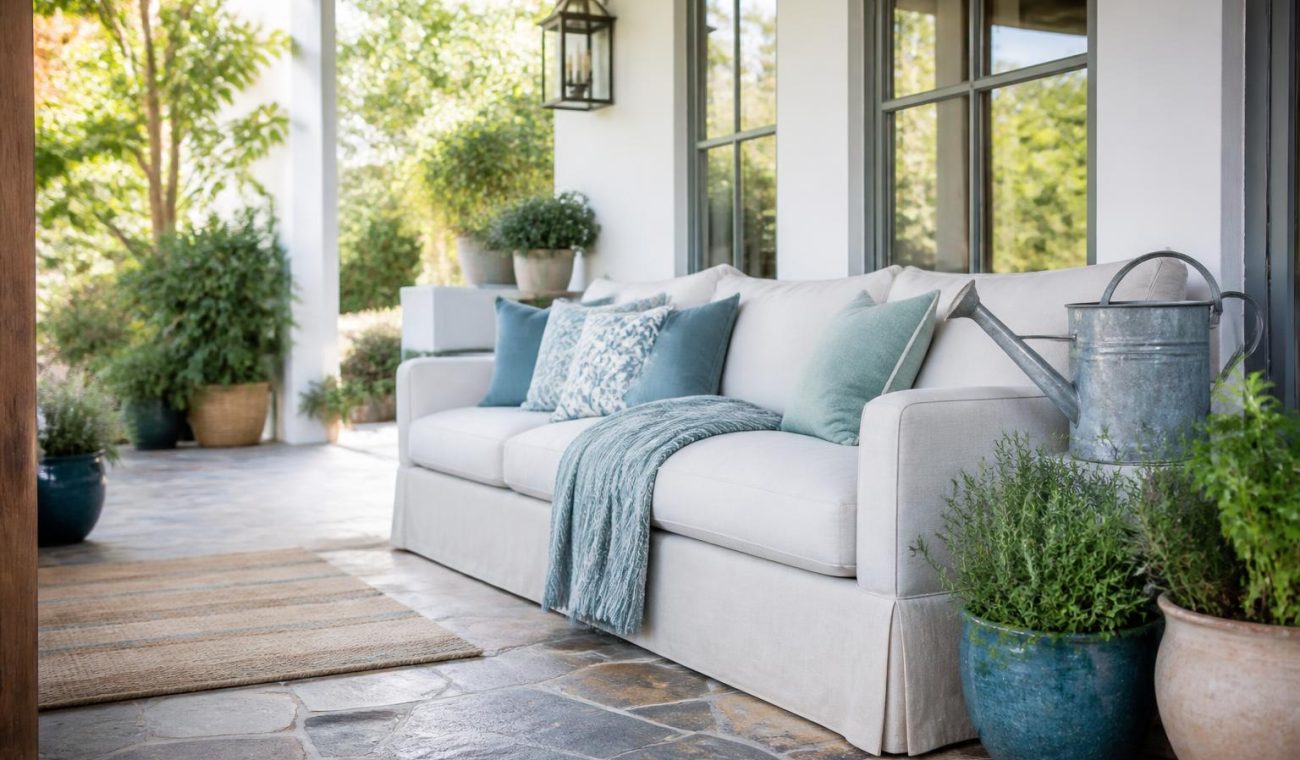
With a plan in place, identify core materials that bridge indoors and outdoors—weather-resistant furniture, stone or composite decking, and neutral plant palettes that won’t overpower existing decor. This alignment supports home improvement goals by delivering durable surfaces and timeless aesthetics, while gardening choices underpin a sense of place. Color stories might mirror your living room’s blues and creams or the warm neutrals of a cozy den, creating a seamless transition between spaces.
Section Two: Layering Textures for Depth and Comfort
Texture is the quiet architect of outdoor comfort, guiding feet and eyes toward inviting corners. Combine soft-textured cushions with rough-hewn planters, and intersperse greenery of varying heights to create a tactile journey across the yard. Shade-tolerant ferns, ornamental grasses, and evergreen shrubs offer year-round interest, making the space feel curated rather than accidental. This approach aligns with interior sensibilities, where texture elevates decor through material contrasts and tactile allure.
Incorporate natural materials that age gracefully, such as teak, terracotta, and slate, to reinforce a cohesive home-improvement aesthetic. The careful balance of hard surfaces and soft landscaping prevents stark contrasts and fosters a sense of sanctuary. By choosing plants with different leaf shapes and a spectrum of greens, you can achieve a rich, living texture that mirrors layered interior textiles and finishes.
Section Three: Lighting as Both Safety and Mood
Lighting is a practical and emotional tool; it extends usable hours and subtly shapes ambiance. Start with overhead fixtures that offer warm, even illumination for dining areas, then layer with floor lamps, solar path lights, and string lights for intimate corners. Dimmable options allow you to transition from bright daytime tasks to relaxed evening gatherings, mirroring the adjustable lighting you’d select for interior living spaces.
Strategic lighting also highlights focal points—ponds, sculpture, or a striking specimen plant—creating visual anchors that anchor the garden to the home’s architecture. Use warm white LEDs to avoid harsh glare and ensure color accuracy for plant displays and furniture tones. Thoughtful lighting plans reduce hazards while inviting guests to linger, echoing a well-lit interior’s sense of safety and welcome.
Section Four: Water Features that Reflect Quiet Living
Water features can transform a yard into a soothing environment, offering reflective surfaces and gentle soundscapes. A compact fountain or a small pond lends a sense of movement that mirrors the ebb and flow of daily life inside the home. Position the water element to be visible from seating nooks and windows, so it becomes a living artwork akin to a curated indoor feature, tying exterior and interior aesthetics together.
Maintenance routines matter, so select features that fit your weekly schedule and weather conditions. A simple pump, easy-to-clean liners, and reliable filtration keep the water clear and the sound consistent. Regular pruning of surrounding plants prevents debris buildup and preserves a clean, organized look aligned with a tidy interior design approach.
Section Five: Planting for Structure and Seasonal Interest
Strategic planting creates year-round structure that resembles the deliberate layouts seen in well-designed interiors. Use a backbone of evergreen shrubs to provide constant form, then layer seasonal flowering perennials for color bursts. Pathways lined with low-lying groundcovers can echo a rug’s edge, while tall specimens act as room dividers, offering privacy similar to well-placed curtains inside the home.
Consider plant palettes that coordinate with your decor, using cool blues and greens for a calming effect or warm oranges and yellows for lively accents. Group plants with similar light and water needs to simplify maintenance, reinforcing home-improvement goals through efficient, thoughtful horticulture. This approach helps you build a cohesive garden that supports both outdoor living and indoor comfort.
Section Six: Furniture Layouts and Outdoor Rooms
Outdoor furniture should invite lounging as readily as indoor seating, with durable fabrics and weather-resistant frames that tolerate sun and rain. Create distinct “rooms” by establishing separate seating clusters—one for coffee and conversation, another for al fresco dining. Use area rugs, cushions, and planters to delineate these zones, much like room modules in a home’s floor plan, delivering a familiar sense of order to the exterior.
Seasonality informs furniture choices: pick modular pieces that can be rearranged as needs shift, and store or cover items through harsher weather. Add small side tables and lanterns to cultivate intimate vignettes around the garden, mirroring the thoughtful decor you’d arrange in living spaces. A flexible layout supports daily life, entertaining, and the evolving tastes of both residents and guests.
Section Seven: Maintenance Rituals That Protect Beauty and Value
Consistency is the backbone of any successful home improvement project, including gardens. Establish a simple weekly routine: quick weeding, irrigation check, and light pruning to maintain shape and vigor. Seasonal tasks like mulching, soil conditioning, and pest scouting preserve plant health and ensure the landscape remains vibrant across holidays and gatherings.
Documentation helps too; keep a small notebook or digital log of plant varieties, bloom times, and pruning dates. This practice mirrors interior care notes and investment in decor, supporting long-term value and ease of future updates. With steady attention, the garden evolves into a living extension of your home—functional, beautiful, and inviting for everyday life.